cat sitter Cascais Estoril Linha
Cat Sitter in Cascais, Estoril and the Linha: Home Visits Explained
Direct answer: A cat sitter in Cascais should visit your cat at home, keep food, water and litter care on routine, send photo or video updates, and agree the key plan before travel. Cat Sitting Cascais offers cat-only 45-minute home visits from EUR17 on weekdays and from EUR19 on weekends.
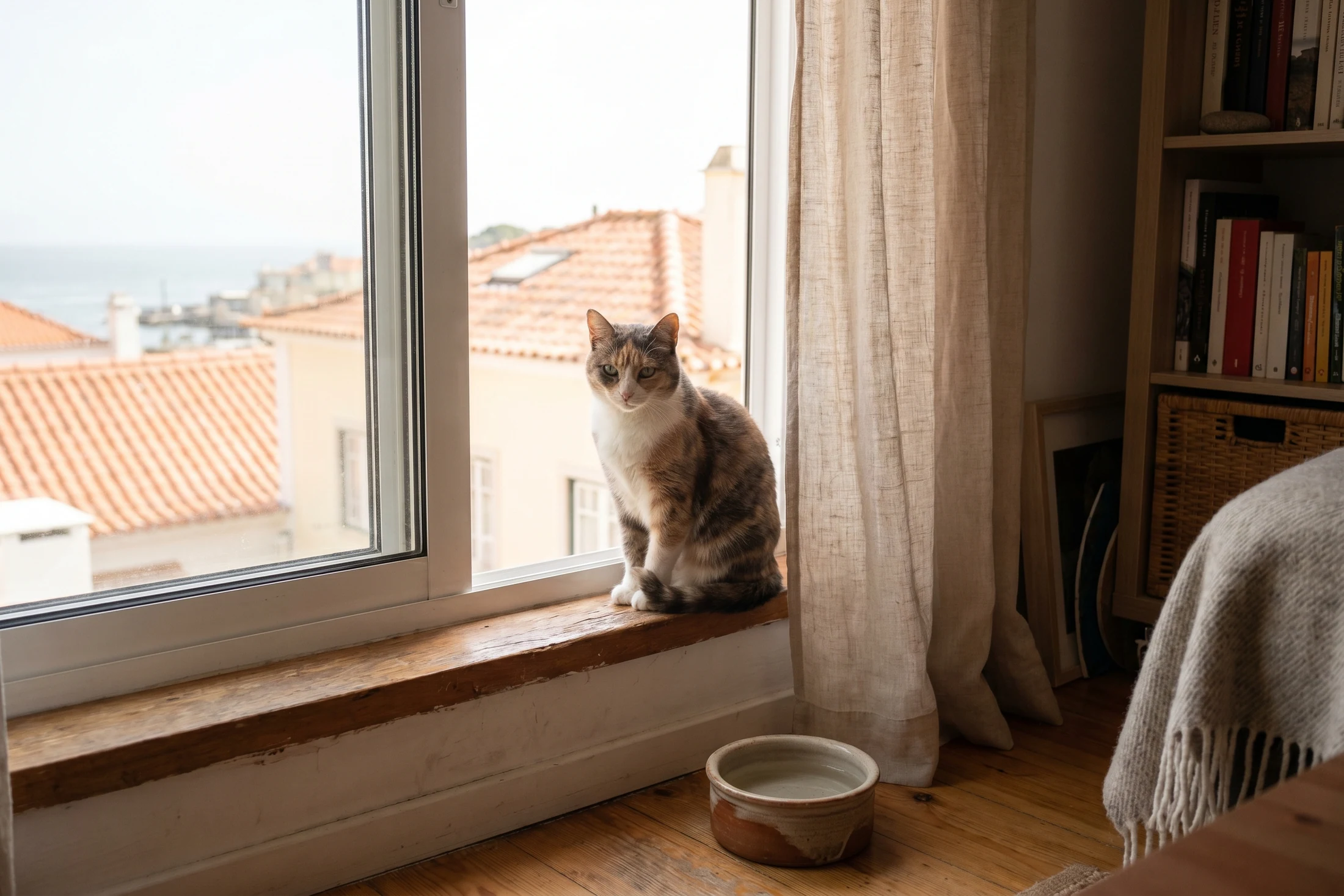
Most Cascais cat owners are not looking for a generic pet sitter. They want to know whether a real person can enter the home reliably, keep the cat calm, notice problems, and send proof that the visit happened.
Quick summary
What to know before you read the full guide.
A cat sitter in Cascais should visit your cat at home, keep food, water and litter care on routine, send photo or video updates, and agree the key plan before travel. Cat Sitting Cascais offers cat-only 45-minute home visits from EUR17 on weekdays and from EUR19 on weekends.
The simplest service area is Cascais, Estoril and Monte Estoril. Parede, Carcavelos, Alcabideche, Sao Domingos de Rana and selected nearby Linha addresses are checked by exact location before dates are held.
Send travel dates, area, number of cats and visit frequency.
Local context
The simplest service area is Cascais, Estoril and Monte Estoril. Parede, Carcavelos, Alcabideche, Sao Domingos de Rana and selected nearby Linha addresses are checked by exact location before dates are held.
Practical checklist
- Send travel dates, area, number of cats and visit frequency.
- Share feeding notes, medication notes, hiding places and litter setup.
- Agree key handover, keybox or concierge access before the trip.
- Leave emergency contact details and your preferred vet if relevant.
- Ask for photo or video updates after each visit.
What a cat sitter in Cascais should actually do
A reliable cat sitter is not doing a quick food drop. The visit should protect the cat routine and the home routine at the same time. That means food served exactly as written, fresh water checked in more than one place, litter cleaned properly, and a calm check that the cat is present and behaving normally for that cat.
For Cat Sitting Cascais, the standard visit is 45 minutes. That time is used for feeding, water, litter care, calm attention if the cat wants it, basic home checks and a photo or video update. The service is cat-only, so the visit is planned around feline behaviour rather than a generic pet-sitting checklist.
A good first message includes dates, area, number of cats, visit frequency and key plan. If the home is in Cascais, Estoril or Monte Estoril, scheduling is usually simpler. Parede, Carcavelos, Alcabideche, Sao Domingos de Rana and other nearby Linha addresses can be possible, but the exact location needs to be checked before dates are held.
The short answer for owners comparing sitters
If your cat is healthy, settled at home and mainly needs routine care while you travel, home visits are usually the first option to consider. They avoid transport, keep the litter and food setup familiar, and allow a sitter to check the home each day. The strongest plan is calm and practical: one or two predictable visits, written notes, tested access and updates after each visit.
The wrong plan is vague. "Just pop in" is not enough if the sitter does not know where the food is, which bowl is normal, where the cat hides, what the litter routine looks like, or who to call if the cat is not acting normally. A reliable sitter should want these details before the trip, not after a problem appears.
This is why the booking question is not only "are you available?" It is also "does this exact care plan make sense for my cat?" A stable adult cat may be fine with one visit a day. A kitten, senior cat, cat on timed medication, or cat eating wet food twice a day may need two visits or a more involved plan.
Why home visits often work better than moving the cat
Cats use familiar territory to feel secure. Their sense of safety is built around known smells, quiet sleeping places, food and water locations, litter boxes, window spots and escape routes through the home. Moving the cat can be fine for some animals, but it is a real stressor for many, especially indoor cats who dislike carriers or car journeys.
The Cat Friendly Homes guidance is useful because it explains why cats need secure places and predictable resources. Home cat sitting follows that logic. The owner leaves, but the core resources stay in place. The sitter becomes the temporary routine keeper instead of asking the cat to adapt to a new environment.
This matters in Cascais because many owners travel for weekends, school holidays, summer trips and longer visits abroad. A home visit plan can be simple for the cat if the house is prepared well: safe windows, clear food notes, clean litter, accessible carrier, emergency contacts and a tested way for the sitter to enter.
What is included in a 45-minute visit
The practical work is food, fresh water and litter care. Food should match the written routine: wet food timing, dry food limits, treats, supplements and where bowls should be placed. Water should not be treated as a single bowl problem. Many cats drink better when there are separate water points, and fountains need specific instructions.
Litter care means scooping properly, topping up if needed and leaving the area clean. If there are multiple cats, the sitter should know whether one tray is normal or whether several trays are expected. If the tray looks very different from the notes, that can be a useful welfare clue and should be mentioned in the update.
The remaining visit time depends on the cat. A confident cat may want play, brushing or lap time. A shy cat may prefer distance. The sitter should not force contact just to make the update look friendly. For shy cats, a good update may be a photo of food eaten, litter used and the cat visible in a safe place.
One visit or two visits per day
One daily visit can suit many adult cats when the feeding routine is simple, the cat is healthy, and the home setup is stable. It gives the cat a daily welfare check, clean litter, fresh food and water, and proof that someone entered the home.
Two visits are stronger for kittens, older cats, cats who eat wet food morning and evening, cats who need timed medication, and homes where cats must be fed separately. Two visits can also help if the cat becomes stressed when the home is empty for too long or if warm weather makes water and food checks more important.
The best choice is not decided by price alone. It is decided by the cat routine. If the normal routine depends on two human touchpoints, one visit may be too thin. If the cat is independent and the setup is safe, two visits may be unnecessary.
Key handover, access and building details
Access problems are one of the easiest risks to prevent. Before travel, the sitter needs to know how the main door works, how the apartment door works, whether there is an alarm, whether the lift needs a key, whether a concierge is involved, and what to do if the key sticks. If there is a keybox, the code should be tested before the owner leaves.
For Cascais apartments, parking, building names and entrance notes can save time. For houses, gate instructions, exterior lights and alarm zones matter. If a neighbour or concierge holds a backup key, the sitter needs that name and phone number in writing.
A spare key plan is not overkill. It is the difference between a minor inconvenience and a missed visit if one access route fails. The sitter should also know if anyone else is entering the home during the trip, such as cleaners, family or maintenance workers.
Updates that are actually useful
The update should prove the visit happened and tell the owner what matters. A useful update can include food eaten, water refreshed, litter cleaned, the cat seen or checked, and any change from normal behaviour. A photo or short video is often enough, but the note should not be only decorative.
For social cats, the update may include play or attention. For shy cats, the update may be more practical: "food eaten, litter used, water changed, cat seen under the bed and calm." That is better than forcing a nervous cat into contact for a photo.
Owners should say what they want before leaving. Some want a message after every visit. Some want a photo plus quick bullet points. Some only want a detailed note if something looks wrong. Clear expectations keep the communication calm.
What to prepare before the sitter arrives
Leave food, litter, bags, scoop, cleaning products, medication, treats and the carrier in visible places. Write exact food amounts instead of relying on "normal portion." If wet food is stored in the fridge, say where it is and how leftovers should be handled.
Write down hiding places and what is normal. If your cat often sleeps inside a wardrobe, say so. If your cat usually meets people at the door and suddenly does not, that is worth knowing. Normal behaviour is different for each cat, and the sitter cannot interpret it unless you share it.
Close unsafe rooms, secure windows and balcony access, and leave clear notes about plants, doors and appliances. The visit is not a deep home inspection, but basic home checks are easier when the owner has already removed avoidable risks.
When home cat sitting is not enough
Home visits are not veterinary supervision. If a cat is unstable, recovering from a serious procedure, not eating, needs complex medical monitoring, or may need urgent intervention, the owner should ask a vet what level of care is appropriate. A sitter can follow agreed simple routines, but cannot replace clinical care.
Home visits may also be a poor fit if access is unreliable, if the cat is an escape risk and the home cannot be made safe, or if the owner expects overnight presence that has not been agreed. Boundaries protect the cat and the sitter.
Sometimes the responsible answer is "choose a different kind of care." That does not weaken the service. It makes the recommendation more trustworthy because the choice is based on the cat, not on filling a calendar.
How this page should help you decide
If you are looking for a cat sitter in Cascais, Estoril or the Linha, start with the care plan. Write the dates, address area, number of cats, food routine, litter setup, key plan and anything that would worry you if you were away. That information is enough to decide whether one visit, two visits or another option makes sense.
If you are not sure, send the real routine rather than a shortened version. A good booking reply should not pressure you into the fastest sale. It should make the next step clear: confirm availability, clarify the visit frequency, agree access, then book only when the plan is practical.
Owner scenarios in Cascais and the Linha
A central Cascais owner with one relaxed indoor cat may need one daily visit, simple feeding notes and a standard update. The key risks are access, water, litter and making sure the cat is seen or checked without forcing contact. That plan is straightforward when the building access is clear and the trip is short.
A family in Estoril with two cats may need more detail. One cat may eat quickly, the other may hide. One may use a specific tray, the other may need wet food in a separate room. The visit is still a normal home visit, but the notes need to prevent one cat from taking the other cat's food or being missed during the welfare check.
A Linha address outside the simplest route may be possible, but it needs exact location before the visit is treated as confirmed. Owners sometimes ask only for the general area. For real scheduling, the sitter needs the street or map area because travel time can change the plan.
How to judge whether a sitter is serious
A serious sitter asks practical questions. They want the key plan, alarm notes, food quantities, litter setup, hiding places, vet contact, emergency contact and preferred update style. They do not need a dramatic sales pitch. They need the details that make the visit reliable.
Be cautious if someone says yes to everything without asking about the cat. A confident answer is useful only when it is based on the routine. Cats are not interchangeable, and homes around Cascais are not identical. A sitter who understands this will slow the booking down just enough to get the important facts right.
You can also judge the update plan. "I will send photos" is a start, but "I will confirm food, water, litter and whether I saw anything unusual" is better. The update should help you make decisions while travelling, not only give you a nice image.
Common mistakes owners can avoid
The first mistake is leaving instructions in too many places: one text message for food, another for keys, a photo for litter, and a voice note for medication. Put the final version in one message or document. That gives the sitter one source of truth during the visit.
The second mistake is assuming the sitter knows what is normal. If your cat hides from everyone, say so. If your cat always eats immediately, say so. If your cat often vomits hairballs, say where cleaning supplies are and when it would still worry you. Normal is personal to the cat.
The third mistake is treating key handover as a small detail. It is not. A tested key plan is part of the cat care plan because no access means no food, water, litter or welfare check.
What a good first booking message looks like
A strong first message can be short: "We are away 12 to 16 June in Monte Estoril. One adult indoor cat, wet food morning, dry food evening, one litter tray, no medication. We can leave keys with the concierge and would like one photo update after each visit." That gives enough information to start.
If the routine is more complex, include it early. Medication, separate feeding, nervous behaviour, balcony rules, smart feeders and distant addresses should not be added after the quote. The more accurate the first message, the fewer surprises later.
Do not worry about sounding too detailed. For cat sitting, detail is helpful when it is specific and practical. The sitter can then confirm what is possible, what needs clarifying and whether the dates can be held.
After the trip
When you return, check food, water, litter and the cat's behaviour. If the sitter left notes or photos, keep them for the next booking. They can become a useful baseline: what the cat ate, where the cat hid, how often the tray was used and whether the visit frequency felt right.
If the plan worked, save the instructions and improve only what was unclear. If the cat seemed stressed, ask whether two visits, a different update style or more preparation would help next time. Good cat sitting improves with the owner and sitter learning the real routine together.
Local service boundaries
Service boundaries make the page more useful because they stop owners from guessing. Cat Sitting Cascais is cat-only. It is built around home visits, not dog walking, overnight house sitting or veterinary cover. Standard visits are 45 minutes, with prices starting from EUR17 on weekdays and EUR19 on weekends or holidays.
The core service area is Cascais, Estoril and Monte Estoril, with nearby Linha addresses checked by exact location. This matters because "near Cascais" can mean very different travel times. Clear boundaries protect the schedule and keep confirmed visits realistic.
How to use this guide without overthinking it
If your cat is healthy and the home is safe, send the booking details and ask which visit frequency fits. If your cat has health needs, timed medication or behaviour concerns, include those details first. If you are unsure whether home visits are enough, read the comparison guide before booking.
The best booking is not the longest message. It is the clearest one. Dates, area, cat routine, key plan and emergency contact are the foundation. Everything else can be refined from there.
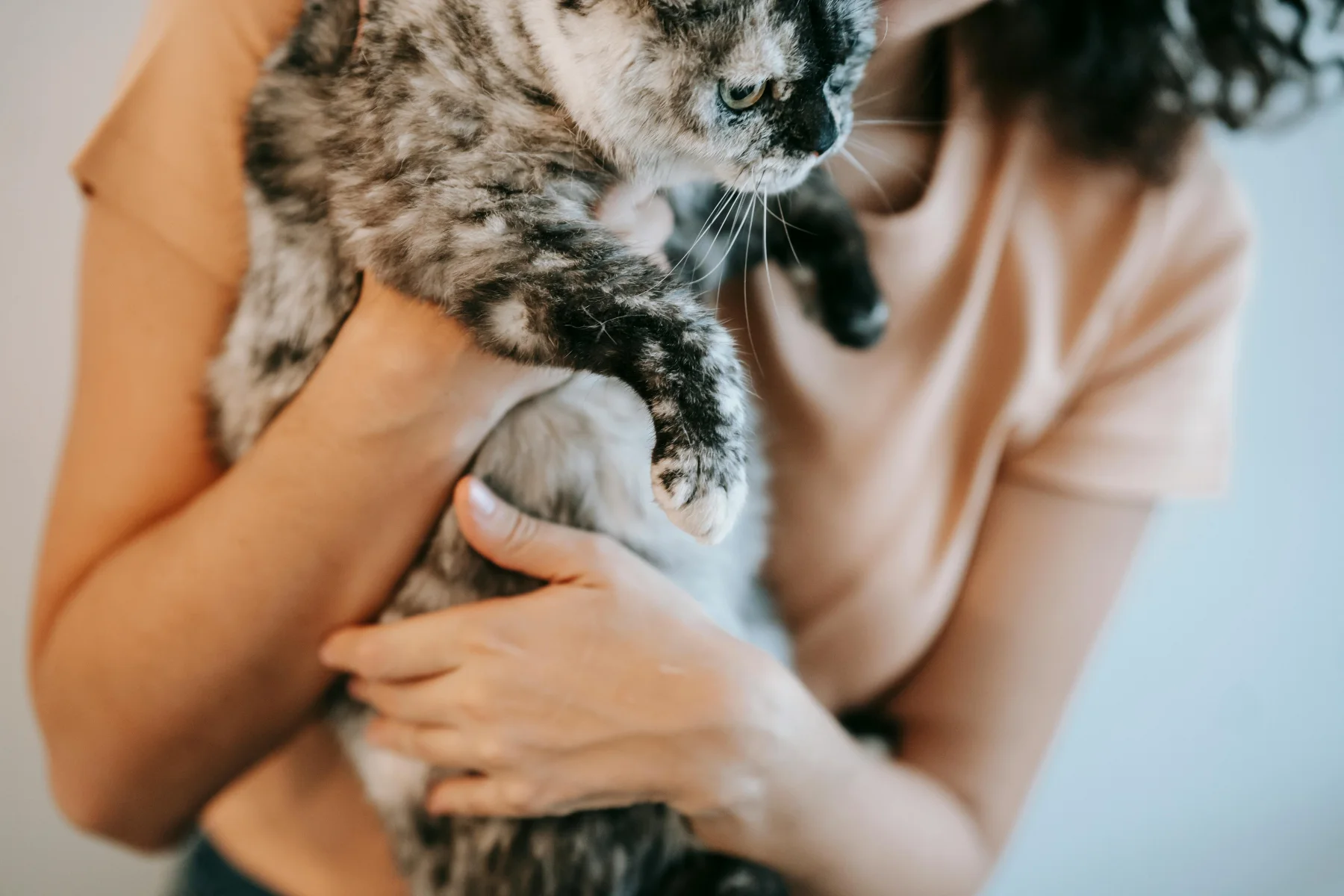

Questions owners ask
How much does a cat sitter cost in Cascais?
Cat Sitting Cascais starts from EUR17 for a 45-minute weekday visit and from EUR19 for weekends and holidays. Two weekday visits start from EUR27.
Do you look after dogs too?
No. The service is cat-only, so visits are planned around feline routines, hiding places, litter care and calm handling.
Can you cover Parede or Carcavelos?
Sometimes. Cascais, Estoril and Monte Estoril are simplest. Parede, Carcavelos and nearby Linha areas are checked by exact address before dates are held.